

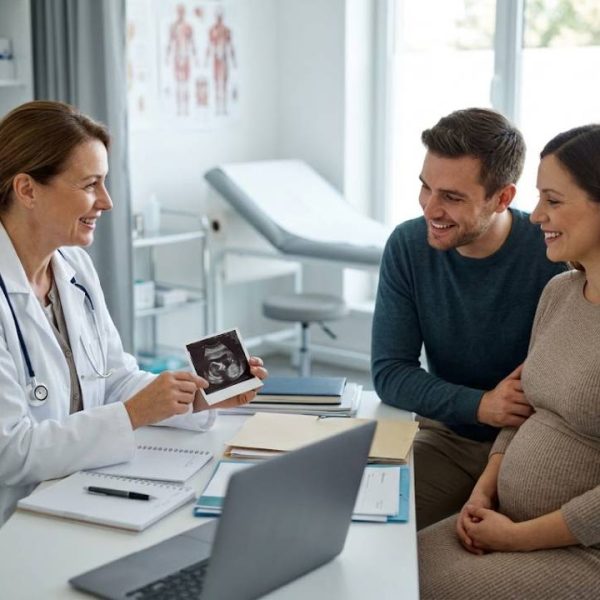
Finding out you are pregnant is a life-changing moment. Finding out while living in a country that is not your own adds another layer of questions. Which doctor should you see? How does the healthcare system work? Will you understand everything the midwife says? Who will help after the birth?
Millions of expats, international students and refugees go through pregnancy far from home every year. With early planning and the right information, a pregnancy abroad can be just as safe and positive as one at home.
Start Prenatal Care Early
The first weeks of pregnancy are important. As soon as you have a positive test, book an appointment with a general practitioner, gynaecologist or midwife, depending on how care is organised in your country. Early visits confirm the pregnancy, check your health and plan important screenings.
The World Health Organization recommends regular antenatal contacts throughout pregnancy, starting in the first trimester. These visits monitor the health of both mother and baby and catch potential problems early.
Understand the Local Healthcare System
Every country organises maternity care differently. In some, midwives lead most of the care and doctors only step in when needed. In others, an obstetrician sees you at every visit. Hospital births are standard in many places, while home births and birth centres are common in others.
Questions worth asking early:
- Is prenatal care covered by my health insurance?
- Do I need to register with a hospital in advance?
- What tests and scans are offered, and when?
- Are antenatal classes available in my language?
- What support exists after birth, such as home visits?
Bring Your Medical History With You
Your new doctor needs to know your health background: previous pregnancies, surgeries, chronic conditions, allergies, vaccinations and medications. If your records are in another language, they may be hard for local staff to use.
Having key documents professionally translated is one of the best investments you can make. For families from Ukraine, many of whom now live across Europe and North America, an experienced ukrainian to english translator can turn vaccination certificates, lab results and hospital discharge letters into documents doctors can read quickly. The same applies to medical files written in Russian, where accurate russian to english translation avoids confusion about diagnoses, dosages and test values.
Choosing who handles that translation matters as much as the documents themselves. A professional translation agency can assign medical specialists, certify the finished files for official use and quote one clear price before work begins. That predictability helps expectant parents budget for paperwork alongside scans, classes and everything else a new country requires.
Communication During Appointments
Medical conversations are stressful even in your native language. During pregnancy, misunderstandings can cause unnecessary worry or missed instructions. Many hospitals offer free interpreters on request, either in person or by phone. Ask for one if you are not fully confident, and never rely on a young child to interpret.
Write your questions down before each visit, and ask the doctor or midwife to repeat or write down important points. Keep a notebook or phone file with all results and instructions.
Nutrition and Lifestyle
Healthy habits matter wherever you live. Take folic acid as recommended, eat a balanced diet rich in vegetables, whole grains, protein and healthy fats, and stay active with gentle exercise like walking, swimming or prenatal yoga. Avoid alcohol and smoking completely, and check with your doctor before taking any medication or supplement.
Local food can be a pleasant discovery, but check food safety advice. Rules about soft cheeses, raw fish, cured meats and caffeine may differ from what you know at home.
Paperwork for Your Baby
After the birth, your baby will need a birth certificate, possibly passports from both parents' countries, health insurance and registration with local authorities. If you are from France or another French-speaking country and living abroad, or moving to a French-speaking country, you may need certified french translation services for birth certificates, marriage certificates or parental recognition documents. Embassies and civil registries usually only accept certified translations.
Build a Support Network
Family support is one of the things expat parents miss most. Look for parent groups, international communities, antenatal classes and online forums in your city. Many cities have associations for parents from specific countries, offering advice, second-hand baby equipment and friendship.
Take Care of Your Mental Health
Pregnancy and early parenthood are emotionally intense. Isolation, language barriers and distance from loved ones can increase the risk of anxiety and postnatal depression. Talk openly with your partner, doctor or midwife about how you feel. Help is available, and asking for it is a sign of strength.
Plan Your Birth Day
Prepare a hospital bag a few weeks before your due date, including identity documents, insurance cards and translated medical summaries. Know the route to the hospital, how to get there at night and who will look after older children. A short birth plan in the local language can help staff understand your wishes.
A New Beginning in a New Place
Having a baby abroad means navigating unfamiliar systems, but it can also be a beautiful experience. Many parents later say their child's birth helped them feel truly at home in their new country. Preparation, clear communication and a supportive network make all the difference.
Recent Posts

Nach der Geburt, welche Papier...
Contraception, bien choisir sa...

When to Start Taking Prenatal ...
Comment préparer une grossess...

Contraccezione e Salute sai Da...

Et si Votre Grossesse Cachait ...
Share it.

Links
We use cookies
We use cookies to give you the best online experience, remember your preferences, and understand how the site is used. You can accept all cookies, reject optional ones, or choose which categories to allow.
Privacy PolicyCookie preferences
Choose which cookies we can use. Necessary cookies stay on because the site cannot work without them.
For more details, read our Privacy Policy.